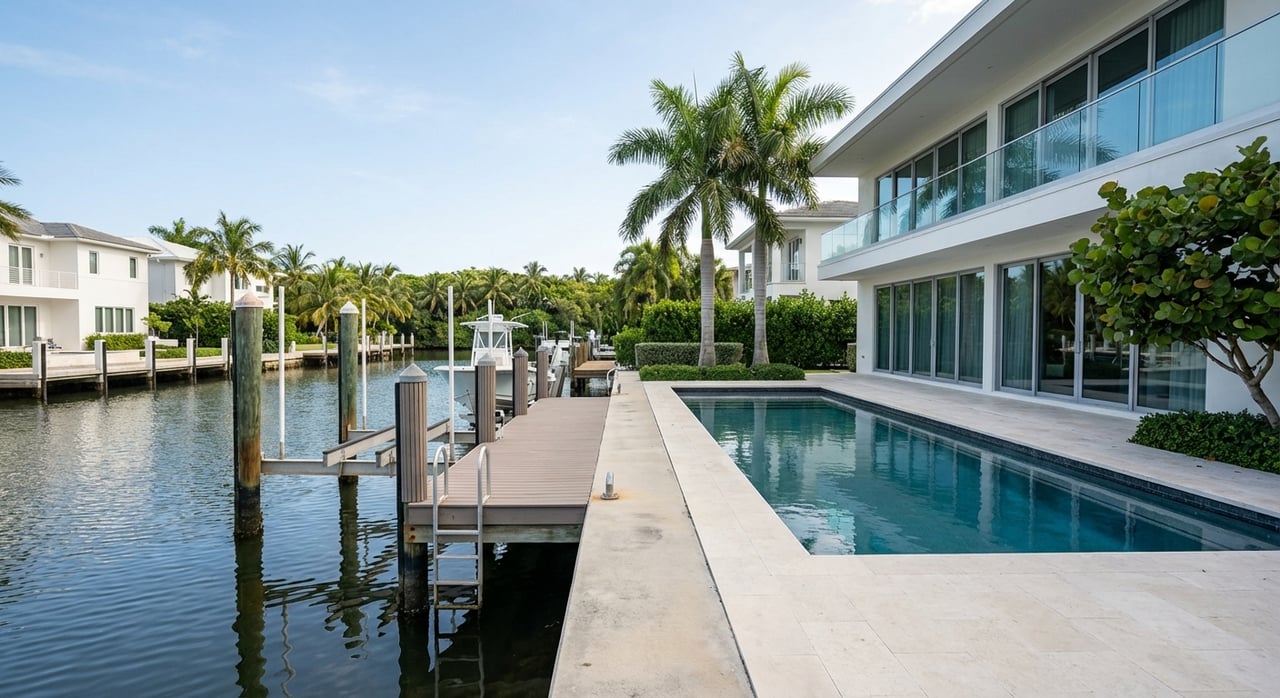
If you love being on the water, choosing the right place in Jupiter can make or break your boating routine. Maybe you want the fastest shot to the Gulf Stream for early morning runs, or you prefer a protected basin with full-service marina support. Either way, a little local knowledge goes a long way. In this guide, you’ll learn how Jupiter’s waterways work, the main marina and dock options, and the neighborhoods that best match different boating styles. Let’s dive in.
How Jupiter waters shape choices
Jupiter’s boating life revolves around the Jupiter Inlet, the Intracoastal Waterway, and the Loxahatchee River. The Jupiter Inlet District actively manages channel conditions, sand bypass, and dredging to keep the inlet navigable. Local boaters often check posted bathymetric surveys and updates before heading out, especially after storms or seasonal shifts. You can review notices and surveys directly through the Jupiter Inlet District.
The Loxahatchee River and the Intracoastal Waterway connect most residential docks and marinas to the inlet. Your location along this network affects transit time to open water and your exposure to tides and currents. If you run larger vessels or prefer calmer docking conditions, a more protected basin or a hurricane-rated marina can be a smart trade for a slightly longer ride.
Public access points also matter, even if you plan to keep your boat at home. Burt Reynolds Park provides multi-lane ramps and trailer parking right on the ICW, plus other nearby county options. For many buyers, having a reliable backup launch spot adds day-to-day flexibility. Get details on ramps and local fishing access from the Town’s fishing and boating page.
Marina and dock options
“Boat-friendly” looks different across Jupiter. As you tour listings or talk with dockmasters, you’ll see a few common setups:
- Private club marinas. Communities like Admirals Cove offer deep-water slips, on-site services, and robust club amenities. These are ideal if you want full-service yachting and a private setting, though access typically ties to membership and availability.
- Dockominium and deeded-slip basins. Facilities such as The Bluffs Marina sell slips as real property or offer individually owned berths. Deeded control can simplify long-term planning and resale, but you’ll navigate association rules and separate insurance.
- Commercial and restaurant marinas near the inlet. Operators by the lighthouse, like the marina at U-Tiki, offer fuel, service, and transient dockage that are convenient for quick trips and social waterfront living. Explore a representative example at U-Tiki’s marina page.
- Dry-stack and boat clubs. If you prefer low maintenance and on-demand boating for runabouts and center consoles, dry-stack and boat clubs, such as Jupiter Pointe, provide easy access just minutes from the inlet. Note the length and beam limits.
When it comes to private docks, you’ll encounter fixed piers with pilings, floating docks, communal seawalls with finger piers, or assigned berths inside dockominium basins. Boat lifts are common for smaller drafts. Keep in mind that shoreline projects and new dredging often require multiple permits, and Florida law now favors living shorelines where feasible over new vertical seawalls. To understand what is allowed, review permitting guidance in Chapter 373 of the Florida Statutes.
Best areas by profile
Below are the most popular Jupiter sub-areas for a boating lifestyle, with who they suit best and the key trade-offs.
Jupiter Inlet front and Inlet Colony
Best for: Quick offshore runs and serious fishing.
If your priority is getting “minutes to the ocean,” inlet-front slips and Jupiter Inlet Colony put you closest to the action. You’ll find commercial marinas and restaurants that cater to fast turnarounds and refueling near the lighthouse. Expect more exposure to swell and strong currents, and plan to monitor inlet conditions regularly through the Jupiter Inlet District.
Trade-offs: Limited protection from ocean swell, active shoaling that requires attention, and higher site-specific hurricane and flood considerations.
Downtown Jupiter and Jupiter Yacht Club
Best for: A social waterfront lifestyle with protected mooring.
Jupiter Yacht Club offers a sheltered harbor with privately owned or leased slips and easy access to dining and shopping. It blends short ICW runs with a true “park the boat and enjoy” downtown feel. Slip inventory is limited, and ownership or lease arrangements vary by owner.
Learn more about the marina’s setup and atmosphere via the Jupiter Yacht Club Marina profile.
Trade-offs: Slip availability can be tight, and terms may differ from one slip owner to another.
Jonathan’s Landing
Best for: Gated, amenity-rich living with ICW access.
This community provides an on-site marina, internal channels, and many homes with private docks. You get a more sheltered environment for docking, plus quick routing to the ICW and inlet. Community rules and membership structures may apply.
For an overview of community features and marina context, visit the official Jonathan’s Landing site.
Trade-offs: Rules, fees, and membership options can shape slip use and access.
Admirals Cove
Best for: Full-service yachting with premium club amenities.
Admirals Cove is known for large-vessel capability, privacy, and comprehensive services. It is an excellent match if you want deep-water slips, a boatyard, and a private club experience. Access generally aligns with membership and residence.
Explore community and marina offerings at Admirals Cove.
Trade-offs: Premium pricing, membership requirements, and limited public access.
Tidal Pointe, The Bluffs, and nearby basins
Best for: Deeded slips in protected water and hurricane-safe basins.
If you want deeded control of your moorage, dockominium-style basins are a standout. The Bluffs Marina markets deep-water slips inside a protected basin and highlights storm planning and safety features. This setup can simplify long-term ownership and future resale planning.
Trade-offs: Separate HOA, insurance, and maintenance responsibilities for the slip.
Tequesta, Jupiter Pointe, and Loggerhead corridor
Best for: Convenient dry-stack, boat-club use, and family cruising.
Just north of the inlet, marinas along this corridor combine storage, service, and flexible membership options. For center consoles and runabouts, it is hard to beat the simplicity and cost control of dry-stack. Check capacity limits and reservation policies at operators like Jupiter Pointe.
Trade-offs: Size limits for vessels and fewer very large-yacht berths.
Buyer boating checklist
Use this quick checklist while touring waterfront homes or speaking with dockmasters. It will help you compare options and avoid surprises later.
- Dock or slip ownership. Is the slip deeded, privately owned with the home, leased from an HOA, or waitlisted? Deeded slips, such as those at The Bluffs Marina, function like real property and require separate due diligence.
- Depth and approach. Confirm measured depth at mean low water at the slip and along the approach. Shoaling changes after storms, so cross-check with current bathymetry and notices from the Jupiter Inlet District.
- Size and lift limits. Verify slip length, beam, and lift capacity. Dry-stack and boat clubs, like Jupiter Pointe, have strict LOA and beam rules.
- Services and storm plans. Ask if the basin is marketed as hurricane-safe and whether haul-out or storm tie plans exist. Protected basins and full-service marinas can reduce risk during hurricane season.
- Permits and seawalls. Request copies of dock and seawall permits, plus repair history. Florida law guides shoreline protection and can limit new vertical seawalls. Review Chapter 373 in the Florida Statutes.
- Flood and insurance. Check your flood zone and base flood elevation through FEMA’s Flood Map Service Center. An Elevation Certificate helps with insurance and future permitting.
- Fees and availability. Slip fees and waitlists vary. For deeded slips, assess HOA dues, reserves, and insurance. For leased or club options, ask for current rate sheets and renewal policies.
- Fixed obstacles. Confirm bridge and powerline clearances along your route, plus turning radius in canals for larger boats.
- Shoreline condition. Inspect pilings, caps, decking, and lift hardware for wear, and budget for maintenance in saltwater conditions.
Work with local experts
Every buyer weighs transit time to the inlet against protection, services, and ownership flexibility. That decision looks different for a 28-foot center console than it does for a 70-foot motor yacht. The right agent will help you compare these trade-offs, uncover off-market slip opportunities, and coordinate due diligence on docks, permits, depth, and insurance.
If you want a seamless experience, from shortlisting neighborhoods to post-closing updates like dock repairs or lift installation, we can help. With in-house construction and remodeling, we simplify the to-do list so you get on the water faster. Ready to explore Jupiter’s best boating areas and find a property that fits your vessel and lifestyle? Connect with Premier Properties of South Florida, Inc. to schedule a consultation.
FAQs
Which Jupiter areas offer the fastest ocean access?
- Inlet-front locations near the lighthouse and Jupiter Inlet Colony put you closest to offshore grounds. Local marinas by the inlet often promote “minutes to the ocean,” as seen at U-Tiki’s marina. Always check current inlet conditions through the Jupiter Inlet District.
Can I keep a 50–70 foot boat behind my Jupiter home?
- It depends on the canal and community. Some planned neighborhoods, including Jonathan’s Landing and estates in Admirals Cove, are designed for deep-water docks and larger vessels. Always verify depth, turning room, permitted dock length, and community rules with sources like Jonathan’s Landing and Admirals Cove.
Are boat clubs a good alternative to owning a slip?
- For many buyers, yes. Dry-stack and club memberships reduce maintenance and avoid slip scarcity, but they limit boat size and rely on reservation systems. Explore options and capacity details at Jupiter Pointe.
How important is seawall and dock condition when buying?
- Very important. Marine structures face heavy wear and storm exposure, and replacements or alterations can require permits. Florida’s shoreline rules, outlined in Chapter 373 of the Florida Statutes, guide what is allowed. Budget for inspections and potential upgrades.
Where can I find public boat ramps in Jupiter?
- Burt Reynolds Park and other nearby sites offer multi-lane ramps and parking. For current locations, features, and updates, check the Town’s fishing and boating page.