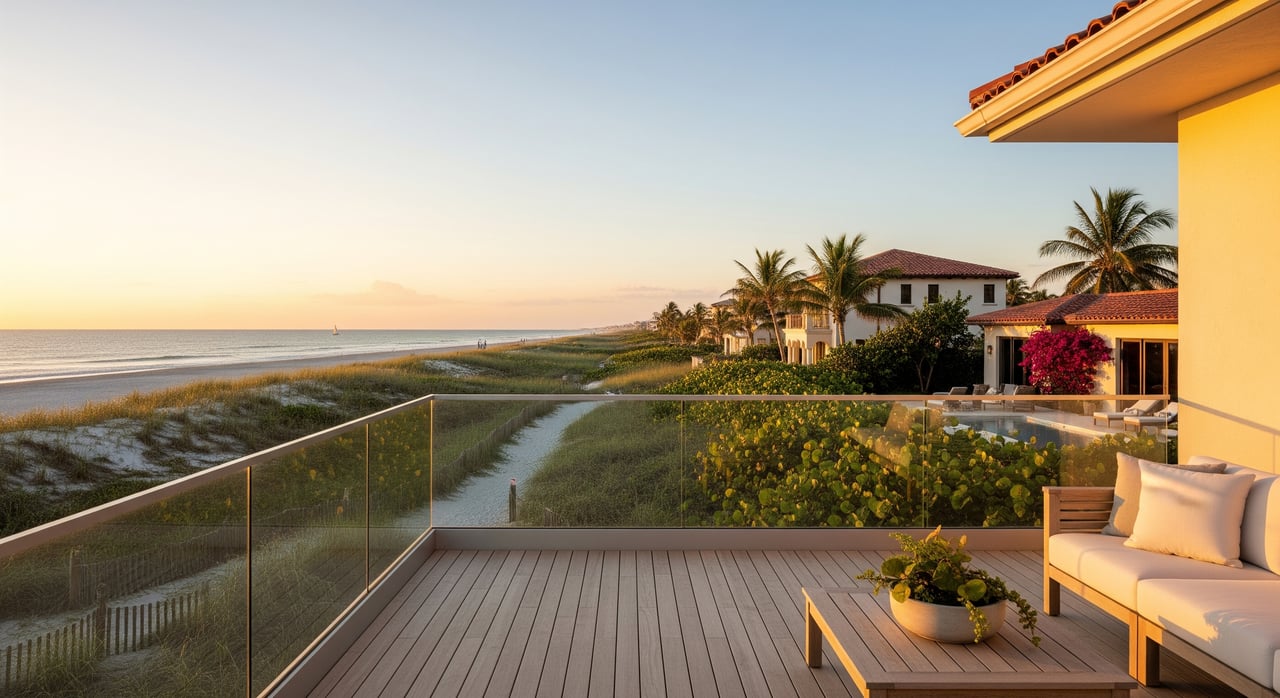
Are you picturing ocean views and easy beach days, but unsure whether a Juno Beach condo or a single-family home fits your life? You are not alone. Many buyers weigh low-maintenance living against space and privacy when moving to our coast. In this guide, you will learn how costs, insurance, HOA rules, and lifestyle factors compare so you can decide with confidence. Let’s dive in.
Juno Beach at a glance
Juno Beach is a small coastal town known for oceanfront and Intracoastal condominiums, plus single-family homes on smaller coastal lots. Buyers often prioritize beach access, views, and proximity to parks and dining. Seasonal and relocating buyers value convenience, security, and quick access to services, airports, and healthcare.
Because of the coastal setting, you will want to plan for wind and flood exposure, HOA policies, and maintenance in a salt-air environment. The right choice often comes down to how much hands-on upkeep you want versus how close you want to be to the water.
Cost basics to compare
When you compare a condo and a single-family home, look at the full monthly and annual picture, not just list price.
- Purchase price and closing costs.
- Property taxes and any exemptions you can claim.
- HOA or condo dues and exactly what they include.
- Insurance for homeowners, wind/hurricane, and flood.
- Routine maintenance and long-term capital items.
- Utilities, pest control, security, and landscaping.
- Special assessments or reserve shortfalls in a condo association.
- Potential rental income and any restrictions.
Tip: Pull each property’s current tax bill from the Palm Beach County Property Appraiser and confirm what HOA dues cover before you compare monthly totals side by side.
Taxes and homestead
Florida offers a homestead exemption for primary residences and Save Our Homes assessment benefits, which can reduce your taxable value when you make the home your primary residence. Both condos and single-family homes can qualify if they are your primary residence. Review eligibility and current amounts with the Florida Department of Revenue and verify local records with the Palm Beach County Property Appraiser.
HOA dues: what’s covered
Condominiums often include exterior maintenance, building insurance via a master policy, landscaping, common area utilities, pool care, and sometimes cable or internet. Older oceanfront buildings may have higher dues because they maintain elevators, roofs, and systems that face salt-air wear. Always review reserve funding and the history of special assessments.
Single-family HOA communities usually cover common-area care, gate or amenity upkeep, and landscaping of shared spaces. You will handle your home’s exterior, yard, roof, driveway, and systems. Lower dues can look attractive, but plan for more direct maintenance.
Insurance: wind and flood
Insurance is a major part of coastal homeownership. Costs vary by location, elevation, building age, and risk profile.
- Homeowners and wind: Florida premiums and hurricane coverage are often higher than the national average. Review trends and discuss options with a licensed agent, and consult the Florida Office of Insurance Regulation for consumer guidance.
- Flood: If your property is in a FEMA Special Flood Hazard Area, lenders will require flood insurance. Even outside high-risk zones, many coastal owners opt for coverage. Compare the National Flood Insurance Program with private-market options and confirm your specific FEMA zone on the FEMA Flood Map Service Center.
- Condo vs single-family: Single-family owners typically carry a homeowners policy and a separate flood policy if required. Condo owners usually carry an HO-6 policy for interior finishes and contents, while the association carries the master policy for the building. High master policy deductibles can be assessed to owners after a storm, so ask how deductibles are allocated.
- Deductibles: Hurricane deductibles in Florida are commonly a percentage of dwelling coverage. Confirm details with your insurance agent.
Maintenance on the coast
Salt air accelerates corrosion and shortens the lifespan of exterior metals, HVAC condensers, and finishes. Expect more frequent exterior painting and coating cycles. Impact-rated windows or shutters are crucial for protection and can improve insurance pricing.
- Single-family: Budget for roof upkeep, exterior paint, pool and yard service, driveway and fence care, and pest control.
- Condo: You will handle interior repairs and systems inside your unit, while the association manages the exterior and common systems.
- Budgeting: A common rule of thumb for single-family maintenance is 1 to 4 percent of home value annually, though this varies. See homeowner budgeting guidance from HouseLogic and adjust for coastal needs.
Condo rules and reserves
Association rules shape daily life. Review governing documents, rental policies, pet rules, renovation procedures, parking, and storage. Financial health is critical.
- Request the budget, audited financials, reserve study, recent meeting minutes, and the association’s insurance certificates.
- Florida statutes set governance and disclosure standards for condominiums and HOAs. Review relevant sections of the Florida Statutes for Chapters 718 and 720.
- Red flags: low or no reserves in an aging building, frequent or large special assessments, pending major litigation, and master policies with high wind or flood deductibles.
Financing and condos
Conventional lenders often require condos to meet project standards, sometimes called warrantability. Factors can include owner-occupancy levels, reserve funding, and litigation status. Non-warrantable condos can still be financed through certain lenders, though terms may differ. Single-family homes generally have fewer project-level restrictions.
Rentals and rules
Seasonal rental demand can be strong, but your ability to rent depends on local rules and your HOA’s policies. Even if rentals are allowed by the town, an HOA can restrict or prohibit them, set minimum terms, or cap the number of leases per year. If you plan to rent, confirm transient tax requirements with the county and verify all association rules before you buy.
Lifestyle trade-offs
Finding the right fit is about how you want to live and what you want to maintain.
When a condo fits
- You want lock-and-leave convenience, amenities, and professional exterior maintenance.
- You plan seasonal occupancy and value building security and on-site services.
- You prefer being close to beach access and local parks.
When a single-family fits
- You want privacy, a yard, and flexibility for renovations and outdoor space.
- You plan to live here full time or want more room for guests and pets.
- You prefer direct control over your property without building-level restrictions.
How to decide
Use a simple, side-by-side comparison for your short list.
- Rank your priorities: beach access, space and privacy, maintenance, budget, rental intent, and flexibility.
- Gather hard numbers for each property: purchase price, current tax bill, HOA dues with a list of what is included, insurance quotes for homeowners and flood, and any known or planned assessments.
- Check risk: FEMA flood zone and elevation, association finances and litigation, building age and recent repairs.
- Confirm financing: ask your lender about condo warrantability early.
- Review rules: pets, rentals, renovation procedures, parking, and storage.
- Verify: schedule professional inspections, ask an insurance agent to review coverage and premiums, and review HOA documents and minutes.
What we can do for you
Choosing between a condo and a single-family home in Juno Beach should feel clear and low stress. Our team brings local market expertise and a concierge process to help you compare total cost of ownership, line by line. We coordinate insurance quotes, compile tax and HOA data, and review association documents so you understand your risk and your monthly budget.
If you want move-in ready, our in-house construction team, First Premier Builders, can plan and price renovations before you close. That means faster timelines, better cost control, and one accountable partner from offer to after move-in. Ready to explore your options and build your cost comparison? Connect with Premier Properties of South Florida, Inc. to get started.
FAQs
Will I need flood insurance in Juno Beach?
- If your property is in a FEMA Special Flood Hazard Area and you have a mortgage, your lender will require it. Even outside high-risk zones, many coastal owners choose flood coverage for added protection.
Who pays for hurricane damage in a condo?
- The association’s master policy typically covers structural damage, while your HO-6 policy covers interior finishes and personal property. Associations may allocate large master policy deductibles to unit owners as assessments.
Are HOA fees worth it for seasonal owners?
- Often yes, because dues can cover exterior maintenance, building insurance, amenities, and security. Always verify what is included and review reserves and assessment history before you decide.
How much more maintenance is needed on the coast?
- Expect faster wear on metals and exterior finishes, plus more frequent HVAC replacement and repainting. Budget more than an inland property and plan proactive corrosion control and pest management.
Do condos make financing harder?
- Sometimes. Lenders review condo projects for warrantability, including reserves and litigation status. Single-family homes generally have fewer project-level restrictions.