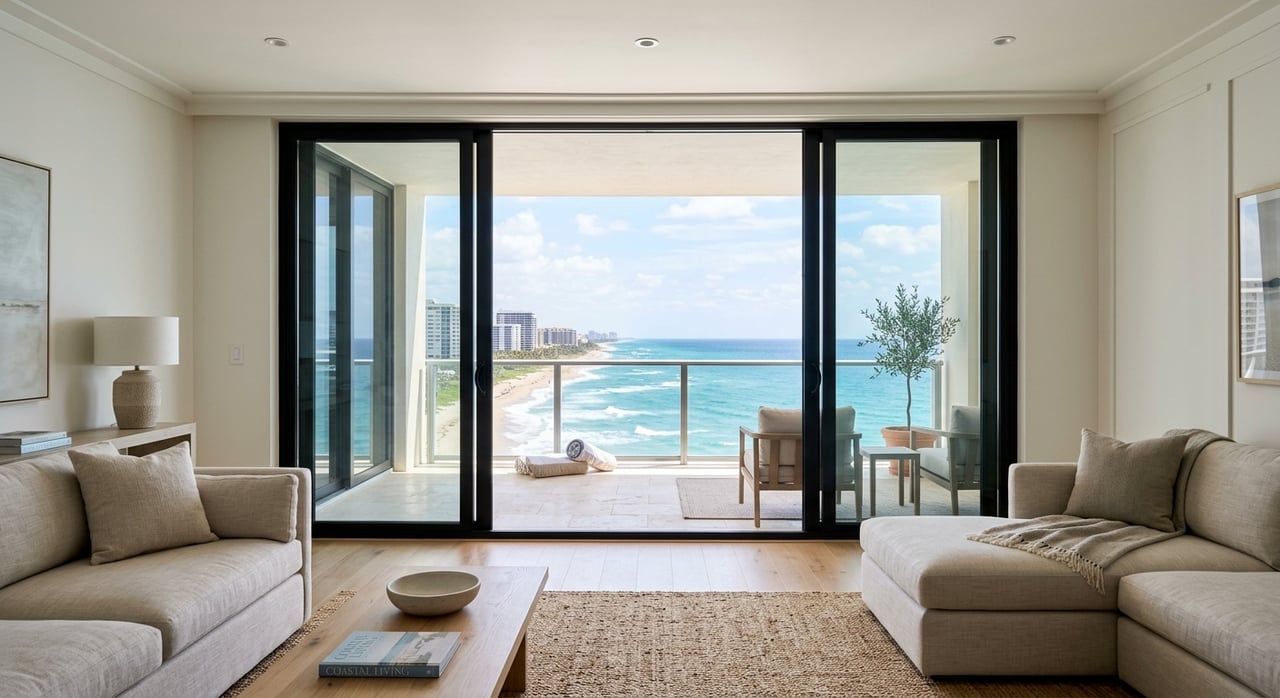
Wondering why one Juno Beach condo books strong winter stays while another sits ignored? In a coastal market shaped by ocean views, seasonal demand, and condo rules, success usually comes down to two things: compliance and presentation. If you own a condo in Juno Beach and want to attract seasonal renters, you need a strategy that protects you on the legal side and makes your unit feel easy to choose. Let’s dive in.
Start With Rental Rules
Before you think about photos, furniture, or pricing, confirm how your rental will be classified. In Florida, a condo rented more than three times in a calendar year for stays under 30 consecutive days, or advertised for regular short stays, is generally treated as transient lodging. A rental for at least 30 consecutive days or one calendar month is generally considered nontransient.
That distinction matters because the licensing and tax path can change based on how you rent the property. A winter seasonal lease of 30 days or longer may fall into a different category than a nightly or weekly vacation rental, even when the condo is furnished and marketed seasonally. Before advertising, make sure you understand which category applies to your unit.
Check State and Town Requirements
Florida requires public lodging establishments to obtain a DBPR license before operation, with limited condo-association exceptions. For many owners, the safest first step is to verify the unit’s legal classification before posting it for rent or accepting reservations.
Juno Beach also has a vacation-rental registration process through Code Enforcement. The town has actively managed this process, including annual registration and renewal fees. That means local compliance is not something to treat as an afterthought.
Review Condo Association Rules
Your condo association may be more restrictive than state law. Before setting a rental plan, review the declaration, bylaws, and house rules for minimum lease terms, screening requirements, parking limits, pet policies, amenity use rules, and guest registration procedures.
Florida law allows associations to charge transfer fees tied to leases or subleases only if the governing documents authorize the approval process, and the fee cannot exceed $150 per applicant. Even a well-marketed condo can hit delays if association steps are missed. Clear rules upfront help you avoid last-minute issues with tenants and move-in timing.
Build Taxes Into Your Plan
Seasonal-rental income can look attractive on paper, but taxes need to be part of your pricing from day one. In Florida, the general state sales tax is 6%, and Palm Beach County’s total state and local sales and use tax rate is 6.5% as of January 1, 2026.
Palm Beach County also levies a 6% Tourist Development Tax on transient rentals of six months or less. The county says this tax applies to rental revenue, including mandatory fees such as cleaning and pet fees. If you are offering transient accommodations, the county requires you to register a Tourist Development Tax account, file monthly, and remit the tax.
Price With the Full Cost in Mind
This is where many owners get tripped up. If you advertise a rate without accounting for required tax collection and filing, your net can look very different than expected. A smart seasonal-rental strategy includes not just the advertised rate, but also the systems needed to handle tax compliance cleanly.
Prepare the Condo Like a Hospitality Product
Juno Beach is not a generic rental market. It is a residential coastal town with oceanfront condos, second homes, and steady visitor demand across Palm Beach County. With 9.9 million visitors in the county in 2024, seasonal renters have choices, and they often make those choices quickly based on what feels polished, bright, and easy.
In this kind of photo-driven market, presentation has a direct effect on performance. Airbnb reports that listings using professional photography saw a 21% increase in host earnings and a 19% uplift in bookings on average over 365 days. While every condo is different, the takeaway is simple: how your unit looks online matters.
Focus on Easy-to-Understand Layouts
Seasonal renters often decide fast. They want to understand the space at a glance, especially if they are booking a month or more during peak season. A clean, uncluttered layout with clearly defined sleeping areas, comfortable seating, and obvious storage tends to perform better than a unit that feels crowded or overly personal.
If your condo is oceanfront, sightlines and balcony usability deserve special attention. If it is in a near-beach building, parking, entry flow, and beach-gear storage may be just as persuasive. The goal is to make daily living feel simple before the renter ever arrives.
Choose Durable, Turnkey Furnishings
Seasonal renters usually respond well to condos that feel furnished with purpose. Neutral coastal finishes, durable furniture, hidden owner storage, and enough seating for actual occupancy can help your condo read as move-in ready instead of improvised.
This does not mean you need a major overhaul. Often, modest cosmetic upgrades, cohesive furnishings, and a brighter visual plan are enough to improve how the unit competes. In a beach condo, durable materials also make turnover easier between stays.
Plan Renovations Carefully
If your condo needs a refresh before the next season, timing matters. Juno Beach says interior and exterior painting does not require a permit, which can make simple cosmetic updates relatively straightforward.
Once work goes beyond cosmetics, though, you should confirm permit requirements with the town before starting. Contractors must be registered with the town, and permissible work hours are Monday through Friday from 7 a.m. to 6 p.m. and Saturday from 9 a.m. to 5:30 p.m., with no work on Sundays or legal holidays.
Avoid Permit Timeline Surprises
The town’s Code Compliance office identifies unpermitted construction or renovation as a common violation. Inspections are scheduled through MGO Connect, and the town does not currently have a policy or procedure for expedited permit reviews. In practical terms, that means owners should build in lead time and avoid assuming a last-minute renovation can be rushed through before high season.
If your unit is beach-adjacent or oceanfront, exterior changes may involve more than style choices. Juno Beach has separate sea turtle lighting application forms for exterior light fixtures and windows or doors. If you are updating balconies, sliders, or exterior lighting, that should be part of your planning checklist early.
Market the Features Renters Actually Notice
A strong seasonal-rental listing does not just describe a condo. It answers the questions a renter is already asking. How close is the beach access? Is parking easy? Is the balcony usable? Is there room for guests to relax, dine, and store everyday items without feeling cramped?
These details matter in Juno Beach because renters are comparing your condo against other coastal options. In many cases, convenience sells just as much as square footage. A unit that feels simple, bright, and functional can stand out even without a full renovation.
Prioritize Professional Photography
Because booking decisions are so visual, photography should be treated as part of your revenue plan. Sharp, well-lit images help communicate layout, natural light, view corridors, and condition faster than any paragraph can.
Before photos are taken, simplify every room. Remove clutter, reduce overly personal décor, and make the best use of natural light. In a market like Juno Beach, renters often respond to a condo that looks calm, coastal, and immediately usable.
Protect the Property Between Stays
Juno Beach is a barrier-island community with flood-prone areas, and the town notes that flood damage is not covered by standard homeowners insurance. The town recommends flood insurance and notes there is typically a 30-day delay before a flood policy is fully in force.
For seasonal-rental owners, that supports a more careful maintenance plan. Storm preparation, contents protection, and guest instructions for severe-weather periods should all be part of your operating routine, especially during active weather periods.
Use a Coastal Turnover Checklist
A beach condo has wear patterns that inland rentals may not. Salt air, water intrusion risk, balcony exposure, and movable outdoor furniture all deserve regular checks between stays.
A practical turnover checklist should include:
- Balcony condition and furniture placement
- Signs of water intrusion
- Salt-air wear on fixtures and hardware
- Exterior lighting considerations
- Clean storage areas for beach gear
- Basic storm-readiness items before guest arrival
This kind of consistency protects the condo and supports better guest experiences over time.
Position for Seasonal Demand
The strongest seasonal-rental strategy in Juno Beach usually is not about doing everything. It is about doing the right things in the right order. First, verify classification, taxes, town registration, and condo rules. Then improve the condo’s presentation so renters can quickly see its value.
That approach helps reduce risk while making the property more competitive in a market where many renters are drawn by coastal lifestyle, winter stays, and easy beach access. When your condo is both compliant and well presented, you put yourself in a much stronger position for the season ahead.
If you are getting a Juno Beach condo ready for seasonal renters, Premier Properties of South Florida, Inc. can help you plan the prep, presentation, and market strategy with a concierge approach built for coastal properties.
FAQs
How are seasonal condo rentals classified in Juno Beach, Florida?
- In Florida, rentals for stays under 30 consecutive days that occur more than three times a year, or are regularly advertised for short stays, are generally treated as transient lodging, while rentals of at least 30 consecutive days or one calendar month are generally nontransient.
What taxes apply to a seasonal rental in Palm Beach County?
- Transient rentals of six months or less may be subject to Palm Beach County’s 6% Tourist Development Tax, and owners also need to account for applicable state and local sales tax requirements.
What condo association rules should Juno Beach owners check before renting?
- You should verify minimum lease terms, tenant screening rules, parking limits, pet policies, amenity rules, guest registration requirements, and any approved lease or sublease fees allowed by the governing documents.
Do condo upgrades in Juno Beach require permits?
- Interior and exterior painting does not require a permit according to the town, but work beyond cosmetics may require permits, so owners should confirm requirements with Juno Beach before starting renovations.
Why does photography matter for a Juno Beach seasonal rental listing?
- In a photo-driven coastal market, professional photography helps renters quickly understand the condo’s layout, light, condition, and view appeal, which can improve booking performance.
What maintenance issues matter most for a Juno Beach beach condo rental?
- Owners should pay close attention to flood readiness, water intrusion, salt-air wear, balcony condition, exterior lighting considerations, and storm-prep procedures between guest stays.