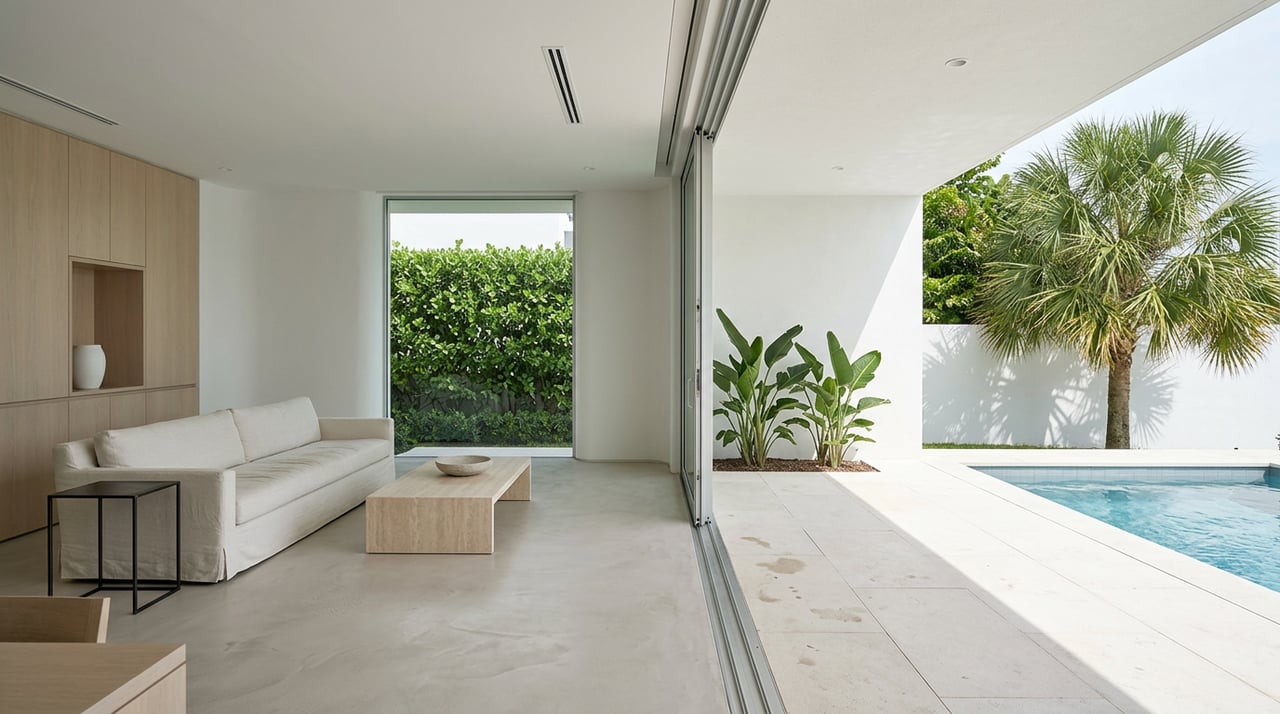
You do not get a second chance to make a first impression on Jupiter Island. Luxury buyers here move with focus, expect proof for every claim, and pay a premium for privacy and turnkey living. If you are preparing to sell, your plan needs to blend lifestyle, resilience, and documentation so a discerning buyer can say yes with confidence.
This guide gives you a clear checklist, timeline, and marketing strategy built for Jupiter Island. You will learn what to fix first, which inspections unlock value, how to time your launch, and how to protect privacy during showings. Let’s dive in.
Why Jupiter Island sells differently
Jupiter Island is a small, incorporated barrier‑island town with a seasonal rhythm and a strong focus on coastal stewardship. The Town’s own resources highlight beach protection, flood awareness, and emergency readiness, which shape how you prepare and present a listing. You can review the Town’s Community Profile and Flood Information to understand the local context buyers and their advisors will check.
Inventory on the island is limited, and many properties are unique. That means a single sale can swing the averages. Avoid broad claims about median prices or days on market without date‑stamped MLS support, and plan to price off the closest, most recent comparables.
Cash is common in the Southeast Florida luxury and vacation‑home segment. Recent regional reporting shows that cash buyers account for a very large share of vacation‑home purchases, which affects timelines and how you vet offers. You can reference the Miami REALTORS report on the high share of cash sales when you weigh proof of funds and closing certainty.
What luxury buyers expect here
Luxury buyers on Jupiter Island are buying a lifestyle and a level of certainty. They will pay more for homes that show clear, documented readiness.
- Waterfront functionality and proof. Expect buyers to ask for a certified seawall and dock condition, permit history, and as‑builts. Coastal work can involve multiple agencies, so gather your permit file early. For context, see this overview of Florida waterfront permitting.
- Turnkey interiors and systems. A chef’s kitchen, spa‑grade primary bath, reliable HVAC, whole‑house generator, elevator service, and a professionally maintained pool reduce buyer friction. The National Association of REALTORS outlines common luxury property expectations.
- Weather‑hardening and insurability. Impact windows and doors, a well‑documented roof, and wind‑mitigation features all matter in Florida. Insurance rules reward mitigation and modern standards, so have reports ready. Review Florida’s insurance statutes on wind‑mitigation incentives.
- Outdoor living and privacy. Expansive terraces, covered living spaces, and thoughtful landscape design that respects dunes and wildlife are key on the island. Lighting visible from the beach must meet turtle‑friendly guidance during nesting season.
- Service and security. Gated entries, monitored smart‑home systems, and a smooth, discreet showing experience signal quality.
Shift your story from rooms and square footage to experience. Lead with privacy, beach stewardship, resilience, and verified systems that make a move‑in feel effortless.
Your prioritized pre‑list plan
The fastest way to maximize value is to remove doubt. Use this order of operations to stage your home for premium offers while reducing renegotiation risk.
Week 0–1: Title and risk triage
Start with the paper trail. Pull a current title report, recorded permits, and a history of any flood or insurance claims. Florida Statute §689.302 requires a separate flood disclosure to buyers at or before contract execution. Add the statutory requirement to your checklist now by reviewing the flood disclosure statute.
Weeks 1–3: Safety and insurability first
- Order a roof certification, and if the roof is near age thresholds, discuss replacement options.
- Schedule a wind‑mitigation inspection to document hurricane‑resistant features that can improve insurance options. Florida’s insurance framework details how wind‑mitigation features are considered.
- Have a licensed electrician review panels and service capacity, and label all subpanels clearly.
These steps broaden your buyer pool and smooth underwriting for financed purchasers.
Weeks 1–4: Waterfront and structure reports
If you are on the water, hire a licensed marine or seawall engineer to inspect the seawall, dock, and lifts. Obtain a short written report with photos and the permit history, along with any submerged‑lands authorizations. For background on process and agencies, see Florida’s waterfront permitting guide.
Weeks 1–4: Major mechanicals and systems
Service the HVAC, test the generator under load, certify the elevator if you have one, and inspect pool equipment and heaters. Water quality and, where applicable, septic checks should be included. Keep receipts and service logs in a single digital folder.
Weeks 3–6: Soft cosmetics and staging
Neutralize paint where needed, remove personal items, and bring in a luxury stager to set the lifestyle. Replace obvious low‑impact items like outdated lighting or worn hardware. Industry guidance from NAR supports the value of professional presentation in luxury listings.
Weeks 4–10: Kitchen and primary bath updates
If these spaces are dated, consider a targeted refresh that fits your home’s price bracket. Mid‑range improvements to counters, fixtures, lighting, and appliances can have outsized impact in buyer perception. Remodeling data shows kitchens and baths are high‑influence areas; see Fixr’s review of home improvement spending and ROI themes.
Weeks 2–6: Landscape, dunes, and lighting
Tidy the grounds with scaled, low‑profile plantings that protect sightlines while respecting dunes and wildlife. Replace or shield exterior lights that are visible from the beach with turtle‑friendly fixtures, especially during nesting season. The Florida DEP outlines beach work and lighting practices in its Coastal Construction Control Line guidance.
Ongoing: Your documentation packet
Assemble a digital property book that includes surveys, roof and wind‑mitigation reports, structural and pool inspections, the seawall or dock engineer letter, appliance warranties, permit history, Town disclosures, and the Florida flood disclosure. Many luxury sellers also commission a seller’s home inspection and a WDO report before listing. Pre‑list documentation reduces surprises, supports premium pricing, and can speed a cash closing.
Marketing that meets luxury standards
Your marketing should let a buyer experience the home privately from anywhere, then schedule a secure, effortless tour.
- Hero photography. Commission a photographer skilled in twilight and aerial drone work to showcase shoreline, beach approach, pool, and indoor‑outdoor flow. Image quality is non‑negotiable at this level.
- 3D digital twin and cinematic video. Create a Matterport or similar 3D tour and a short, guided video that blends drone and interior shots. Industry filings show that listings with immersive tours see meaningfully higher engagement. Review documented 3D tour engagement lifts.
- Premium collateral and targeted distribution. Build a single‑property website and a printed property book on luxury stock. Distribute to vetted broker networks and private buyer lists. Syndicate to appropriate luxury channels per your listing strategy.
Showings designed for privacy
- Use private, appointment‑only showings for vetted buyers. Require proof of funds or lender pre‑approval before scheduling, and ensure an agent escorts all tours.
- Stage for discretion. Remove valuables, minimize personal photos, and secure any sensitive information.
- Respect coastal rules. Avoid evening public showings during sea‑turtle nesting season, and ensure any temporary exterior lighting follows turtle‑friendly guidance.
This approach reduces unnecessary traffic, protects your privacy, and concentrates attention on serious buyers.
Timing your launch
Seasonal demand in coastal Florida is strongest from roughly November through April, when many seasonal residents are in town. Listing just ahead of that window can be effective for exposure. In a low‑volume micro‑market like Jupiter Island, the best timing still depends on recent comparable sales and active inventory, so pair your calendar with current MLS data.
Regulatory timing matters too. Many coastal repairs and improvements seaward of the control line require permits and scheduling around nesting season. The Florida DEP’s CCCL guidance explains what triggers permits and when seasonal limits apply. Build this into your plan before you set media dates or announce a launch.
Finally, present your insurability story upfront. Buyers and lenders will review roof age, mitigation features, prior claims, and flood‑insurance options. Florida law recognizes mitigation benefits, so include your wind‑mitigation documentation with your property book. Do not forget the Florida flood disclosure, which must be provided at or before contract execution as outlined in §689.302.
Sample 10‑week timeline at a glance
- Weeks 0–1: Engage your listing team. Order title search and pull permit history. Commission a seller’s pre‑list inspection.
- Weeks 1–3: Complete roof certification and wind‑mitigation report. Inspect seawall and dock. Service HVAC, pool, generator, and elevator.
- Weeks 2–6: Execute cosmetic updates, lighting swaps, and landscape tune‑ups that meet dune and turtle‑friendly guidelines. Hire a luxury stager.
- Weeks 5–8: Install staging. Capture professional photos, twilight, drone, and 3D tour. Produce property book and single‑property site.
- Week 9: Host a private broker preview. Finalize showing protocols and proof‑of‑funds templates.
- Week 10: List publicly or launch off‑market to a vetted list if privacy is essential. Manage private showings per plan.
If coastal permitting or major system replacements are needed, expand this timeline. Certain shoreline projects and lighting changes may have seasonal limits.
How Premier Properties of South Florida helps
Preparing a Jupiter Island home at the luxury level takes coordination and craftsmanship. With Premier Properties of South Florida, you get a single, concierge partner for both strategy and execution. Our in‑house construction arm, First Premier Builders, helps you prioritize and complete pre‑list updates quickly and to a high standard. Our marketing team produces the media package luxury buyers expect, and our brokers manage private tours, proof‑of‑funds vetting, and discreet outreach to qualified buyers.
We are a family‑owned boutique serving the Jupiter‑to‑Stuart corridor, and we stand behind our service with a 100% Client Satisfaction Guarantee for listings. If you want a tailored plan that elevates your home’s presentation and reduces risk from day one, let’s talk. Schedule a Consultation with Premier Properties of South Florida, Inc..
FAQs
What inspections do Jupiter Island waterfront buyers expect?
- Most luxury buyers request a seawall and dock inspection by a licensed marine engineer, plus roof, wind‑mitigation, HVAC, pool, elevator, WDO, and a general home inspection, all compiled in a clean digital property book.
How does Florida’s flood disclosure work for sellers?
- Florida Statute §689.302 requires a separate flood disclosure to be delivered to the buyer at or before contract signing, so prepare and include it with your pre‑list documentation to avoid delays.
When is the best time to list on Jupiter Island?
- Many sellers aim to launch just before peak seasonal traffic from November through April, but the right date should align with recent MLS comps, competing inventory, and your readiness to present a complete documentation packet.
Do I need to upgrade my kitchen and bath to sell?
- Not always, but targeted updates in these rooms can strongly influence buyer perception; focus on quality finishes and appliances that fit your expected price bracket and timeline.
How are luxury showings handled to protect privacy?
- Use private, appointment‑only tours for vetted buyers with proof of funds or lender pre‑approval, an agent escort for all visits, discreet staging, and security coordination for high‑profile appointments.
How do cash buyers change the sale process?
- Cash buyers can shorten timelines and reduce financing contingencies, so prioritize strong proof of funds, clean inspections, and complete documentation to support a swift, low‑friction closing.