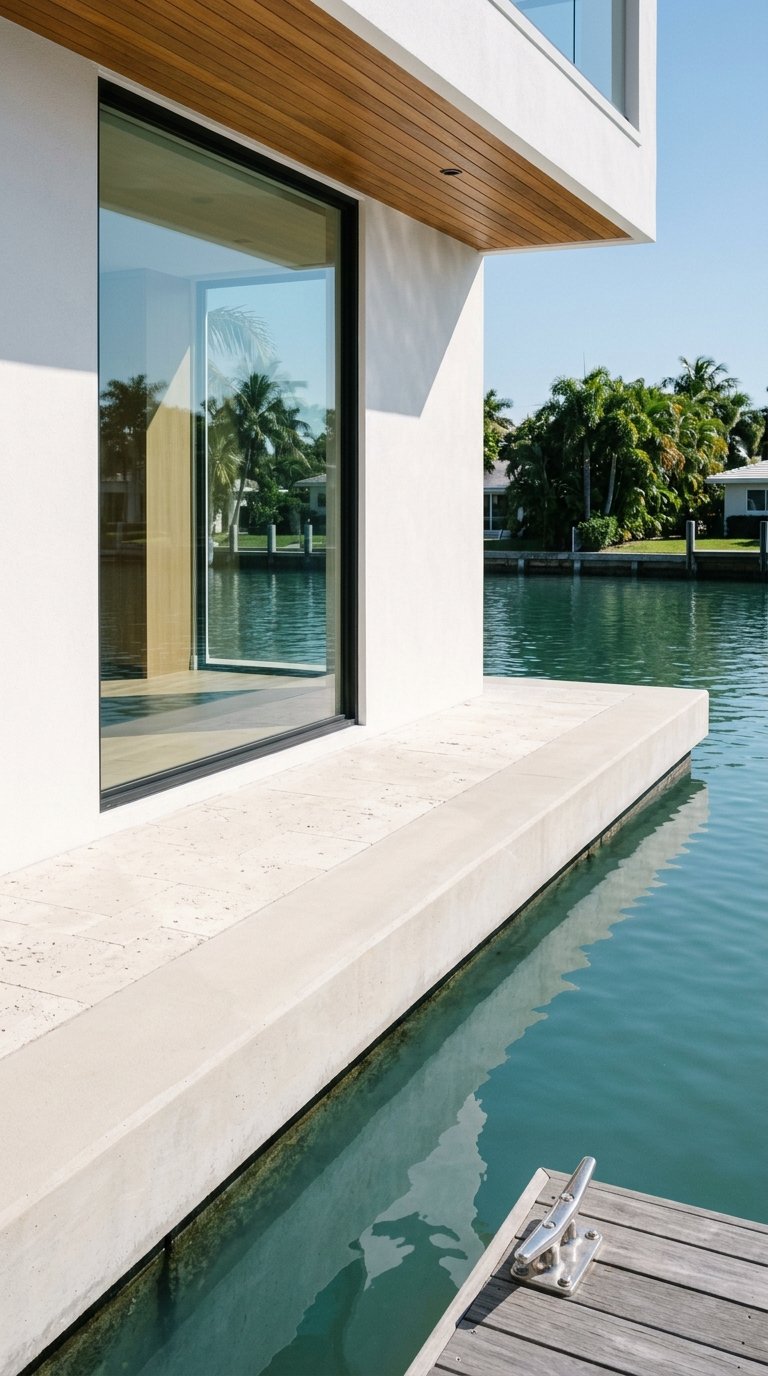
Buying on the water sounds simple until you have to answer the big question: do you want a home that is ready right away, or one that needs work but may offer upside? In Goodby's Creek, that choice carries more weight because this is a creek-and-river waterfront market, not an oceanfront beach market. That means your decision often comes down to flood exposure, dock and shoreline condition, permitting, and realistic renovation math. If you are weighing a turnkey home against a fixer-upper in this part of Jacksonville, here is how to think it through with more confidence. Let’s dive in.
Why Goodby's Creek is Different
Goodby's Creek is a tributary of the St. Johns River, and the City of Jacksonville highlights the area for water-oriented amenities such as a dock, boat ramp, kayak access, fishing access, and scenic shoreline uses at Goodbys Creek Preserve. The creek also roughly divides the San Jose and Mandarin areas, which helps explain why buyers often focus on boating access and shoreline usability rather than beach access.
That local setting shapes the questions you should ask before you buy. In Goodby's Creek, a home can look appealing online but still require extra due diligence around flood insurance, drainage, elevation, dock condition, and storm readiness.
Goodby's Creek Housing Mix
Goodby's Creek appears to have a mixed-age housing stock, with homes ranging from 1960s builds to newer construction, according to Homes.com neighborhood data. That creates a natural split between homes that feel move-in ready and homes that may need updates before they fully fit your goals.
That same source reports directional market context including an average value of $383,784, an average price per square foot of $211, and average days on market of 37. Those numbers are helpful for broad context, but they are not the same as a property-specific valuation, especially on the waterfront where lot characteristics and water-related improvements can make a major difference.
When Turnkey Makes More Sense
A turnkey waterfront home is usually the better fit when you want speed, predictability, and fewer moving parts after closing. If you need a primary residence soon, want to avoid construction decisions, or simply prefer a smoother path into waterfront living, turnkey can reduce stress.
This option can also help limit compliance risk. In Jacksonville, many renovation projects require permits before work begins, including projects that alter, repair, enlarge, or change systems like electrical, gas, mechanical, or plumbing, as explained in the city's residential permits guide. A home that has already been updated may spare you from a longer post-closing timeline involving permit review, inspections, and code compliance.
Turnkey is especially appealing on the water because exterior and shoreline work can become more involved than buyers first expect. If the home already has functional water-facing improvements and no immediate major deferred maintenance, you may gain peace of mind along with convenience.
Best Fit for Turnkey Buyers
A turnkey waterfront property may be the right choice if you:
- Want to move in quickly
- Prefer more predictable short-term costs
- Do not want to manage contractors or permits
- Need financing and insurance decisions to feel clearer upfront
- Value convenience over taking on a renovation project
When a Fixer-Upper Can Pay Off
A fixer-upper can make sense when the home is structurally sound, the needed updates are manageable, and the discount is large enough to justify the work. In a mixed-age waterfront area like Goodby's Creek, that can be an attractive path if you want to personalize the home or improve function over time.
The key is to separate cosmetic work from complex waterfront work. Paint, flooring, fixtures, and selective kitchen updates are very different from moving walls, replacing major systems, repairing structural elements, or addressing a dock, seawall, or drainage issue.
Waterfront projects often involve more than standard remodeling. The Florida Department of Environmental Protection permitting guidance notes that shoreline-related work may require authorization for items like docks, seawalls, riprap, wetlands impacts, stormwater issues, and shoreline stabilization. That means a home that seems like a simple project can become more time-consuming if the scope expands toward the water.
Best Fit for Fixer-Upper Buyers
A fixer-upper may be worth considering if you:
- Have flexibility on move-in timing
- Are comfortable managing a project
- Can verify the home is fundamentally sound
- Understand permit and inspection requirements
- See a clear path between renovation cost and future value
Flood Insurance Should Be an Early Question
On any Goodby's Creek waterfront purchase, flood insurance should move to the top of your checklist. FloodSmart explains that standard homeowners insurance does not cover flood damage, and flood coverage is purchased through a separate policy.
Timing matters too. Jacksonville's preparedness information notes that a flood policy generally takes effect 30 days after purchase, so waiting until the last minute can create problems. If a property is in a Special Flood Hazard Area and the loan is government-backed, FEMA says lenders are required to mandate flood insurance.
Even if a home is not in the highest-risk mapped area, you should still dig deeper. FloodSmart reports that nearly one-third of National Flood Insurance Program claims occur outside high-risk flood areas, which is a good reminder that parcel-specific drainage, grading, and storm exposure matter.
What to Request Early
Before you get too far into negotiations, ask for:
- The property's flood zone information
- Any available elevation certificate
- Prior flood-related documents or disclosures
- Current flood insurance details, if available
Jacksonville's flood protection information page also explains that owners can contact the city for official flood zone determinations or copies of available elevation certificates.
Evacuation Zones Matter Too
Flood insurance is only part of the storm-readiness picture. Jacksonville encourages residents and buyers to verify evacuation zones by address using the city's evacuation zone lookup tool.
The city's preparedness guidance says zones are labeled A through F, with Zone A the most vulnerable. It also notes that even homes outside a designated evacuation zone may still need to leave if they are low-lying or flood-prone, so this is another reason not to rely on neighborhood reputation alone.
Renovation Timelines Are Not Just About Construction
One of the biggest mistakes buyers make with fixer-uppers is assuming the timeline depends only on labor and materials. In reality, permits, inspections, contractor scheduling, and possible shoreline approvals can all affect how long the project takes.
Jacksonville requires online permit submission for all permit types and enforces the Florida Building Code, 8th Edition (2023), according to the city's residential permit requirements. Jacksonville also notes that projects over $2,500 require a Notice of Commencement recorded with the Clerk of the Court before inspections can be scheduled.
Florida contractor rules add another layer. The state says construction businesses must be qualified by a properly licensed contractor, and the Florida Department of Business and Professional Regulation states that roofing, structural additions, HVAC, plumbing, and electrical work require licensed professionals. DBPR also advises consumers to get written estimates with the scope, materials, completion date, and total cost.
And because Florida's hurricane season runs from June 1 through November 30, exterior work can face seasonal scheduling pressure as well. On the waterfront, that is especially important when your scope includes docks, seawalls, drainage, or other outside improvements.
Which Updates Tend to Make Sense
If you are considering a fixer-upper, focus first on updates that improve durability, function, and everyday appeal. The national 2025 Cost vs. Value report found strong average recoupment for projects like garage door replacement, steel entry door replacement, manufactured stone veneer, fiber-cement siding replacement, and a minor midrange kitchen remodel.
That does not mean every project will perform the same way in Goodby's Creek, but it does offer a useful framework. In a market with directional pricing in the mid-$300,000s, practical updates often make more sense than large luxury expansions that may be harder to recover on resale.
Smart Waterfront Update Priorities
For many waterfront buyers, sensible updates may include:
- Exterior repairs that protect the building envelope
- Entry improvements that boost curb appeal
- Window and moisture-management improvements
- A modest kitchen refresh for daily livability
- Storm-readiness features where appropriate
FEMA also notes in its guidance on corrosion protection for metal connectors that corrosion of metal fasteners and connectors is accelerated in coastal areas by salt spray and onshore winds. While Goodby's Creek is not an oceanfront beach setting, the broader lesson still applies: on older waterfront homes, inspect exposed metal components, railings, windows, and fasteners carefully.
Turnkey vs. Fixer-Upper at a Glance
| Option | Best For | Main Advantage | Main Risk |
|---|---|---|---|
| Turnkey | Buyers who want speed and certainty | Easier move-in and fewer immediate project decisions | Higher upfront price for completed condition |
| Fixer-upper | Buyers comfortable with planning and oversight | Potential to customize and create value | Costs, permits, and waterfront scope can expand quickly |
How to Decide in Goodby's Creek
The best choice usually comes down to how much uncertainty you are willing to manage. A turnkey home may cost more at the start, but it can offer a simpler path if you value convenience, clearer timelines, and fewer post-closing obligations.
A fixer-upper can be a smart play when the structure is sound, the renovation scope is controlled, and the price leaves enough room for permits, labor, insurance, carrying costs, and any water-related work. On Goodby's Creek, those factors belong in one conversation, not separate checkboxes.
If you are comparing waterfront options and want a practical second opinion on whether a home is truly move-in ready or a renovation opportunity worth pursuing, Premier Properties of South Florida, Inc. can help you think through the tradeoffs with a concierge mindset and real-world renovation awareness.
FAQs
What makes a waterfront home in Goodby's Creek different from an oceanfront property?
- Goodby's Creek is a creek-and-river waterfront area, so buyers often focus more on flood risk, shoreline condition, dock usability, drainage, and storm readiness than on beach access or dune-related issues.
What flood insurance questions should buyers ask about a Goodby's Creek home?
- You should ask for the flood zone, any available elevation certificate, prior flood-related documents, and current flood insurance details because standard homeowners insurance does not cover flood damage.
What should buyers know about evacuation zones in Goodby's Creek?
- Buyers should verify the property's evacuation zone by address using Jacksonville's official tool, because evacuation planning depends on location and even some homes outside designated zones may still need to leave during certain events.
What renovations usually require permits in Jacksonville?
- Jacksonville says permits are generally required for work that constructs, enlarges, alters, repairs, moves, demolishes, changes occupancy, or affects regulated electrical, gas, mechanical, or plumbing systems.
What makes a waterfront fixer-upper more complicated than a standard fixer-upper?
- Waterfront homes may involve additional permitting and review for shoreline-related work such as docks, seawalls, wetlands impacts, stormwater issues, or shoreline stabilization, which can lengthen the timeline and increase costs.
What updates may offer better value in a Goodby's Creek fixer-upper?
- Practical improvements like exterior repairs, entry upgrades, durable siding-related work, window improvements, and minor kitchen updates may be easier to justify than large luxury expansions, depending on the home's price and condition.